Redefining the Polymer Landscape: The Rise of Women in Science
The polymer and masterbatch industry has long been seen as a male-dominated sector, where innovation and production were largely driven by men. However, over the past decade, a silent revolution has been reshaping this perception—women are entering, excelling, and leading in polymer science, research, and production. Their growing influence is not just a testament to changing times but a powerful indicator of the industry’s potential to embrace diversity, inclusivity, and innovation.
The Masterbatch Industry: A Crucial Pillar in Polymer Science
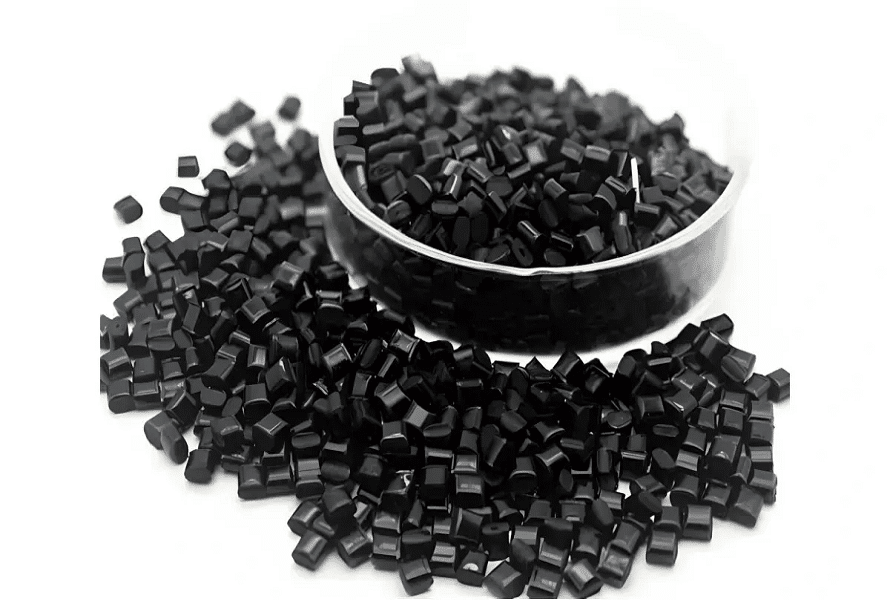
Masterbatches—concentrated mixtures of pigments and additives encapsulated during a heat process into a carrier resin—play a critical role in polymer production. From enhancing colors to improving durability and adding unique properties like UV resistance or flame retardance, masterbatches are indispensable in plastics manufacturing.
Behind the machines, laboratories, and production lines is an evolving talent force—women scientists, engineers, R&D leaders, and entrepreneurs—bringing new perspectives and methodologies to the table.
CMMAI: Spearheading Innovation, Inclusion, and Global Ambition
The Compound and Masterbatch Manufacturer Association of India (CMMAI) was born out of a collective vision—to transform India’s masterbatch and polymer compounding industry into a global powerhouse. Representing the leading players in the sector, CMMAI stands as a unified voice dedicated to fostering growth, innovation, and collaboration.
CMMAI not only promotes technical excellence and sustainability in the industry but also recognizes the need to encourage diversity, support women in science, and create equitable opportunities across all levels of the value chain.
Breaking Stereotypes: Women in Polymer R&D and Manufacturing
Historically, women have faced numerous barriers in STEM fields—limited access to leadership roles, gender bias, and lack of mentorship. The masterbatch industry, often viewed as highly technical and factory-based, was no exception. Yet, today’s reality tells a different story.
From process engineering to formulation development, women are making impactful contributions. Female chemists and materials scientists are at the forefront of developing sustainable, bio-based masterbatches, solving complex challenges around recyclability, and reducing carbon footprints in polymer production.
These women are not just participating—they are leading. Whether heading innovation labs or managing large-scale compounding units, they are helping redefine what’s possible.
Real Impact: Stories That Inspire
In India, several trailblazing women have made their mark in the polymer industry. Some have taken the entrepreneurial path, launching specialized masterbatch firms focused on niche markets such as medical-grade polymers or food-safe packaging. Others have become integral to R&D divisions within multinational corporations, leading global teams from their base in India.
CMMAI recognizes these achievements and is actively working to highlight such success stories to inspire the next generation of women scientists and engineers.
Education, Mentorship, and Policy Support: Creating a Pipeline for Women in Polymer Science
One of the critical challenges is ensuring that young women entering science and engineering programs are aware of opportunities in polymer science and masterbatch manufacturing. CMMAI is championing initiatives that focus on:
- Academic-Industry Collaborations: Partnering with universities to introduce students to real-world polymer applications and career paths.
- Mentorship Programs: Connecting young female graduates with experienced professionals to guide their career development.
- Inclusive Hiring and Leadership Development: Encouraging member companies to build inclusive cultures that support women’s advancement.
These initiatives are not merely about ticking a diversity box—they are about building a robust, innovative, and future-ready industry.
Sustainability and Innovation: Women Leading the Green Revolution
Sustainability has become the north star for the polymer and masterbatch sectors. As companies transition to circular economies, the demand for green materials, biodegradable masterbatches, and low-impact processing is at an all-time high.
Here, women are playing a pivotal role. Their work in biopolymers, environmental science, and green chemistry is helping companies innovate sustainably. Women-led R&D teams are developing additive solutions that reduce microplastic pollution, extend product lifecycles, and enable upcycling of waste polymers.
This isn’t just good science—it’s good business.
The Future is Inclusive: CMMAI’s Commitment to Empowering Women
CMMAI understands that inclusion is not optional—it is essential. As the industry scales new heights and expands its global footprint, the inclusion of women isn’t just a matter of fairness, it’s a strategic imperative.
By supporting:
- Leadership development programs
- Recognition awards for women in polymer innovation
- Panels and events spotlighting female pioneers in the field
CMMAI aims to make the masterbatch and compounding industry a model for gender parity and inclusive innovation.
Conclusion: A New Chapter in Indian Polymer Science
The masterbatch industry in India is at an inflection point. With technological advancements, sustainability demands, and global opportunities converging, there has never been a more exciting time for the sector. But perhaps the most transformative force at play is the increasing participation of women—innovating, leading, and breaking down long-standing barriers.
The Compound and Masterbatch Manufacturer Association of India (CMMAI) is proud to support and amplify the voices of these women. By fostering a culture of inclusion and excellence, CMMAI is not only shaping the future of the industry but ensuring that it is equally driven by talent, regardless of gender.
The future of polymer science is diverse, dynamic, and decidedly female. And it’s only just beginning.